
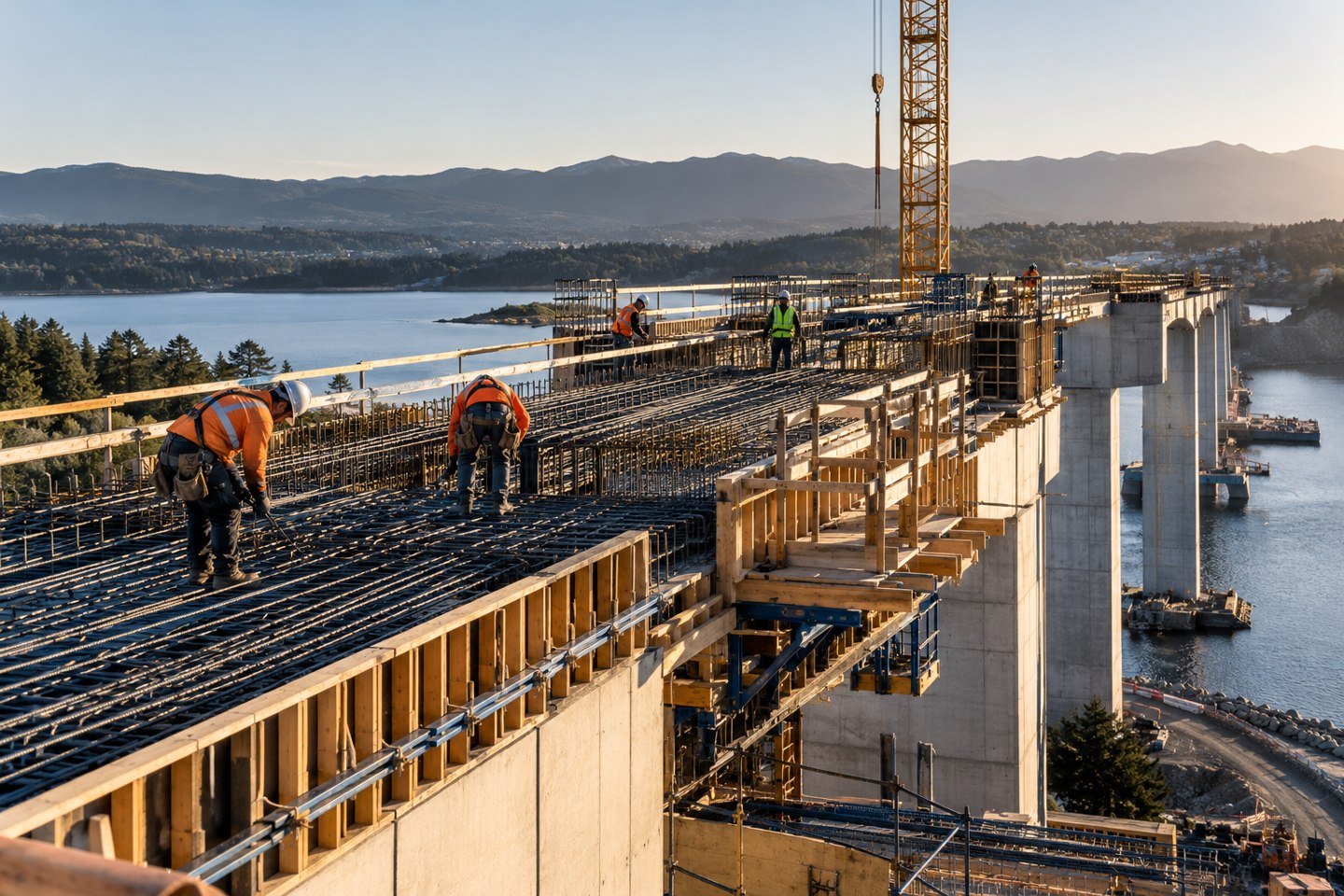
Describe how the work will occupy the site
Identify the area, access, temporary arrangements and interfaces needed for the method. Ask how materials arrive and how other trades are affected. A simple sequence list can conceal a physical conflict when several operations are assumed to occupy the same space. Review those conditions with the relevant delivery and specialist teams.
Compare alternatives on a consistent basis
For each proposed method, describe the same scope, resource assumptions and required releases. Examine the implications for procurement, temporary works, inspections and handovers. The aim is not to choose the fastest-looking sequence in isolation. It is to understand what the option would require and whether those conditions can be established.
Translate the chosen method into controls
Connect important releases and interfaces to the programme and the action register. Record which assumptions need confirmation before execution. If access or resources change, review the effect on the method rather than continuing to report the original dates. A methodology should continue to support coordination after its initial presentation.
Bring it to the next conversation.
- Map the workface and access needs.
- Compare alternatives using consistent assumptions.
- Track the releases that make the method possible.
From the Hexifyer team. Examples are illustrative and do not identify client projects. Project requirements and professional responsibilities are agreed for each engagement.